Car hire in Hobart: your safety first gateway to Tasmania
Car hire in Hobart defines how you move across Tasmania by car. Once you leave the city, distances increase and roads change quickly. Routes climb toward Mount Wellington and continue through regional areas where fuel stops and services are limited.
Collect your rental car in Hobart and you set your own departure time, choose your highway and plan each day around real driving conditions. In Tasmania, the vehicle you hire plays a central role in safe travel across the island.
Why hiring a car in Hobart changes your entire Tasmania trip
Hobart works as the natural starting point for most Tasmania itineraries. From here, travellers head north toward Launceston via the Midland Highway, west toward Cradle Mountain, or along the coast before joining the Bass Highway. Each direction involves long regional stretches and changing road conditions.
Without your own vehicle, those routes depend on fixed services and limited connections. With car hire in Hobart, leave on your schedule and adjust plans around weather forecasts, daylight hours and driving distances. Before departure, take time to find route details and check distance between towns, as services remain spread out beyond Hobart.
Tasmania often looks compact on a map. In practice, travel times extend once you factor in winding roads, elevation and wildlife activity outside town centres. A rental car gives you the flexibility to break a journey, refuel when needed and avoid driving at higher risk periods such as dusk.
For many travellers, the difference appears within the first day. Collect your car at Hobart Airport, load your luggage once and drive directly toward your accommodation or first regional stop. That early control reduces pressure and allows you to plan the rest of the trip with clearer timing.
What makes driving in Tasmania different from mainland Australia?
Driving in Tasmania requires closer attention than most mainland routes. Traffic volume stays low outside Hobart, yet road conditions change quickly. Highways narrow, shoulders reduce and elevation shifts within short distances.
Routes such as the Midland Highway carry steady regional traffic between Hobart and Launceston. Other roads toward the West Coast or Central Highlands include long stretches with limited lighting and fewer overtaking lanes. Planning fuel stops becomes part of the drive rather than an afterthought.
Weather also plays a stronger role here. Conditions near Mount Wellington can differ from the city below within the same hour. Rain, mist or temperature drops affect visibility and braking distance on higher ground.
Wildlife activity increases beyond urban areas. Wallabies and wombats move across rural roads in low light. That risk influences departure times and daily distance planning. Many visitors choose to complete longer drives earlier in the day to reduce exposure.
For travellers used to wide multi lane motorways on the mainland, Tasmania feels quieter yet demands more awareness. The right rental car, reliable tyres and clear fuel planning support confident driving across these varied conditions.
How do you avoid wildlife collisions at dawn and dusk?
Wildlife safety plays a central role in Tasmania driving conditions. Animal movement increases at dawn and again after sunset, particularly outside Hobart and along regional highways.
Wallabies, wombats and kangaroos often feed near roadside grass. Wombats present a serious hazard due to their weight and low centre of gravity. Impact can cause significant vehicle damage and loss of control, even at moderate speed.
Plan longer drives during full daylight where possible. If you expect to travel along the Midland Highway, the Bass Highway or rural routes toward Cradle Mountain, aim to arrive before dusk. Reduce speed in signed wildlife zones and scan both sides of the road, not just the lane ahead.
Avoid sudden swerving. Maintaining lane position and controlled braking reduces rollover risk on narrow shoulders. Keeping a safe following distance allows time to react without abrupt manoeuvres.
Vehicle condition also matters. Drivers benefit from clear headlights, properly inflated tyres and reliable braking systems. Modern vehicle features such as stability control assist when reacting to sudden wildlife movement. When booking car hire in Hobart, choosing a recent rental car with checked tyres and clear service history supports that added margin of safety.
Driving in Tasmania rewards preparation. Adjusting timing and speed around wildlife activity protects both travellers and the island’s unique fauna.
Which road should you take: Bass Highway or Midland Highway?
The Midland Highway connects Hobart and Launceston through the centre of the island. It offers the most direct inland link between the two major cities. Fuel stops appear at regular intervals, yet traffic includes freight vehicles and regional transport. Travel times remain consistent, though sections narrow and require patience when overtaking opportunities reduce.
The Bass Highway runs across the north of Tasmania and links Launceston with Devonport and Burnie. Travellers heading toward Cradle Mountain often combine the Midland Highway northbound with the Bass Highway westbound. This route supports access to the North West Coast and ferry connections at Devonport.
If your plan includes Cradle Mountain, check distances carefully. The final approach involves regional roads beyond the main highways. Allow extra time and avoid late arrivals during low light periods due to wildlife movement.
For visitors landing in Hobart and driving north on day one, the Midland Highway offers the clearest line inland. For coastal access and North West travel, the Bass Highway becomes the practical option. Planning fuel, daylight hours and rest stops around these corridors supports safer long distance driving across Tasmania.
Do you need snow chains for Mount Wellington or Cradle Mountain?
Snow chains are not required year round in Tasmania, yet conditions change quickly in higher elevations. Mount Wellington rises directly above Hobart and temperatures drop as you climb. During winter, ice and occasional snowfall affect the summit road. Authorities may restrict access during severe weather.
Before driving up Mount Wellington, check local road updates on the day of travel and ensure your licence meets Australian driving requirements if visiting from overseas. Conditions at sea level in Hobart often differ from those at the top. Reduced visibility, wet surfaces and strong wind require slower speeds and steady control.
Cradle Mountain presents similar considerations. The approach includes regional roads where temperatures fall lower than in coastal areas. In winter, snow and frost appear on exposed sections. If you plan to visit during colder months, choose a vehicle with stable handling and reliable tyres suited to mixed conditions.
A compact SUV often suits Tasmania travel due to ground clearance and balanced traction. Tyre condition matters more than vehicle size. Well maintained tyres support grip on wet or cold surfaces and reduce braking distance.
When booking car hire in Hobart, confirm your travel season and intended routes. Planning for elevation changes and winter weather supports safer access to both Mount Wellington and Cradle Mountain.
Taking your rental car to Bruny Island: what to plan before boarding the ferry
Bruny Island sits south of Hobart and requires a vehicle ferry crossing from Kettering. The drive from Hobart takes around forty minutes via the Channel Highway. Clear signage directs vehicles toward the ferry terminal.
You can take your rental car on the Bruny Island ferry, yet planning ahead helps. The service operates daily with regular departures, though queues increase during school holidays and summer periods. Arriving early reduces waiting time and gives you flexibility if one sailing reaches capacity.
You drive your vehicle directly onto the ferry deck under staff guidance. Once on board, apply the handbrake and follow crew instructions. The crossing takes around twenty minutes.
Fuel stations remain limited on Bruny Island. Fill your tank before leaving the mainland and factor ferry costs into your daily travel budget. A full tank fuel policy simplifies this step and avoids searching for fuel after arrival.
Roads on the island include sealed sections along with narrower rural stretches. Wildlife activity remains present, particularly in the evening. Plan your return crossing with daylight in mind if possible.
For travellers booking car hire in Hobart, adding Bruny Island to the itinerary works well with early departure from the city and a return before dusk. Proper timing and fuel planning support a smooth day trip.
What type of vehicle suits a Tasmania Nature Explorer?
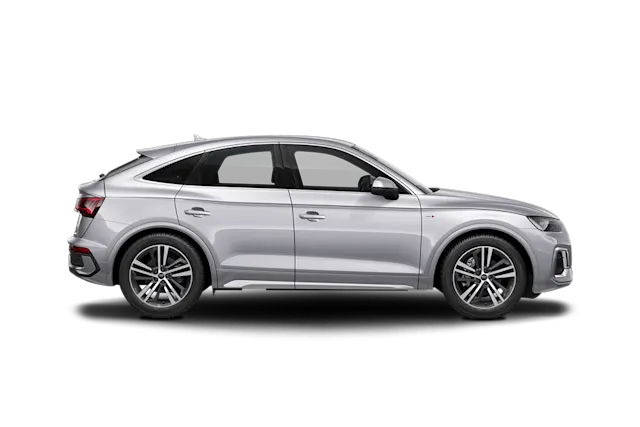
A compact SUV works well across Tasmania, yet several vehicle types suit different routes across the island. An SUV manages elevation changes, rural highways and shifting weather with steady control. The slightly higher ride height helps on uneven regional roads without feeling oversized in town.
For longer drives along the Midland Highway or toward Cradle Mountain, seating comfort and fuel range make a difference over several hours.
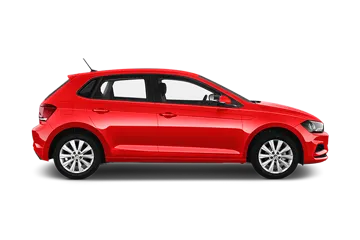
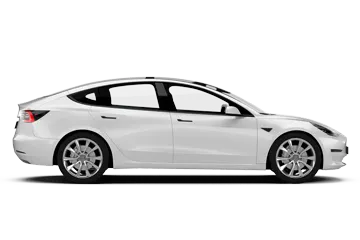
Couples staying near Hobart and planning shorter regional trips may prefer a mid size car. Travellers carrying hiking gear or planning multi day routes often choose an SUV for the extra space.
Where to pick up your car hire in Hobart and what to check before departure
Europcar provides car hire in Hobart from a central city location close to many CBD hotels. When booking, confirm opening hours and location details to ensure your pick up time aligns with your arrival in Hobart city. This location allows drivers to collect their vehicle near accommodation before heading toward regional highways. This position works well if you stay overnight in town before heading north toward the Midland Highway or south toward the Channel Highway and Bruny Island ferry.
From the city grid, you reach the main outbound roads within minutes. The A6 toward Mount Wellington and the southern coastline connects quickly, while the A1 and Midland Highway sit a short drive north.
Before departure, confirm your fuel level and understand the full tank fuel policy. Set your first destination in the navigation system and review distance to your next major stop if driving inland.
Planning the first leg from central Hobart helps you avoid peak traffic and reach regional highways in daylight.
Why Europcar fits a safety first Tasmania trip
Europcar supports car hire in Hobart with vehicles suited to Tasmania’s changing road conditions. Recent models, well maintained tyres and clear rental terms give you confidence when driving beyond the city grid toward regional highways and national parks.
Complete your booking online, review the vehicle details carefully, and choose from available car rentals in Hobart that match your route.